Saina Nehwal's Inspiring Comeback Journey
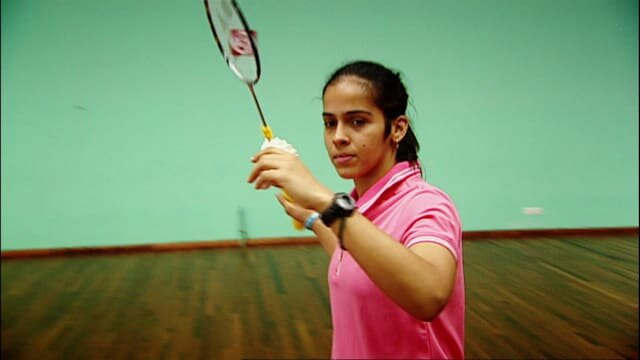
Watching Saina Nehwal battle back from career-threatening injuries has been an emotional journey that transcends sport itself. As India's first badminton Olympic medalist and a player who broke countless barriers for women's sport in India, seeing her refuse to surrender to physical limitations embodies everything I love about athletic competition - the triumph of spirit over circumstance.
The Glory Years Context
To appreciate Saina's comeback journey, you need to understand what she achieved at her peak. Between 2009 and 2016, she was genuinely one of the world's best players, achieving World No. 1 ranking in 2015 and winning virtually every major title except Olympic gold. Her aggressive baseline game, powerful smashes, and tireless court coverage made her a nightmare matchup for anyone.
During those years, she put Indian women's badminton on the global map. Her 2012 Olympic bronze was India's first badminton Olympic medal, and her consistent performances at World Championships, All England, and other prestigious tournaments made her a household name in India. She inspired an entire generation of young Indian girls to pick up rackets.
The aggressive playing style that made her dominant also extracted physical toll. The explosive lunges, constant direction changes, and relentless attacking approach created cumulative stress on joints and connective tissues that would eventually betray her.
The Injury Nightmare
Saina's injury troubles began escalating around 2016-2017 with persistent knee problems. Chronic inflammation in both knees reduced her movement capacity dramatically. The player who once covered court like a defensive demon now struggled reaching basic shots.
Multiple surgeries and rehabilitation periods followed, each accompanied by optimistic predictions and disappointing setbacks. Watching her struggle physically while mentally still possessing championship-level game understanding created heartbreaking contrast. Her mind knew exactly what to do; her body simply couldn't execute anymore.
The pancreatitis diagnosis in 2021 added another complication, requiring dietary management and careful physical monitoring. For a professional athlete whose body is their instrument, these accumulating health issues would have justified retirement. Most players in similar situations would have walked away with dignity intact and legendary status secure.
The Mental Battle
Beyond physical pain, the psychological challenge of decline might be even more difficult. Going from world No. 1 to struggling against players ranked outside the top 50 requires remarkable ego management. Every loss to lower-ranked opponents brings inevitable questions about whether continuing makes sense, whether retirement would be more dignified.
Saina has addressed these questions with remarkable honesty in interviews, acknowledging the difficulties while expressing deep love for the sport that defines her identity. The courage required to continue competing when results disappoint, when your body protests every training session, when critics suggest retirement - that mental fortitude might exceed what was required during her championship years.
The Comeback Attempts
Saina's comeback hasn't been a single dramatic return but rather a series of attempts, setbacks, and renewed efforts. After each injury, she returned to training with visible dedication, posting workout videos showing the grinding rehabilitation work required to regain basic fitness.
Her early comeback tournaments showed flashes of brilliance mixed with physical limitations. In certain rallies, you'd see the old Saina - the anticipation, the shot selection, the tactical intelligence. But sustaining that level over full matches proved difficult. Energy management became critical; she couldn't play her natural aggressive style continuously without risking physical breakdown.
The tactical adjustments she made were fascinating to watch. Unable to rely on raw speed and power, she incorporated more deception, more variation in shot pace, more strategic court positioning. She became a smarter player, using craft to compensate for reduced physical capacity. This tactical evolution demonstrated badminton intelligence that less experienced players couldn't match.
The 2021 Tournament Performances
Throughout 2021, Saina showed encouraging signs of finding competitive form again. Her performance at the Thailand Open, while not resulting in victory, displayed improved movement and sustained intensity across multiple matches. The fitness seemed to be returning gradually.
What struck me watching those matches wasn't whether she won but how she competed. The fighting spirit remained undimmed. Down match point, she played every rally like it was the tournament final, refusing to concede anything easily. That competitive fire - arguably her greatest asset throughout her career - survived all the injuries and setbacks.
Her victories over younger, fitter opponents during this period felt more meaningful than some of her peak-years victories. When you're world No. 1, winning is expected. When you're fighting back from career-threatening injuries against opponents who grew up idolizing you, every victory represents remarkable achievement.
Lessons in Resilience
Saina's journey offers profound lessons about resilience that extend beyond sport. The ability to continue pursuing goals despite repeated disappointments, to find motivation when results don't match efforts, to redefine success when original definitions become unattainable - these life skills matter far more than any athletic achievement.
Watching her comeback attempts, I'm reminded that greatness isn't only about winning but about how you handle adversity. Saina could have retired years ago with her legacy secure, avoiding the indignity of losses to lower-ranked players. Instead, she chose to continue competing because she loves the sport, regardless of results. That choice reflects character that's harder to develop than any athletic skill.
The transparency with which she's shared her struggles - the pain, the doubt, the frustration - makes her more relatable and inspirational than during her glory years. Perfect champions are admirable but distant. Champions who struggle openly, who show vulnerability while continuing to fight, those are the ones who truly inspire.
Impact on Women's Sport in India
Saina's significance extends beyond personal achievement to her broader impact on women's sport in India. She normalized female athletic ambition in a society that historically limited women's sporting participation. Her success made it easier for families to support daughters' sporting dreams, knowing that professional success was genuinely possible.
The commercial endorsements she secured demonstrated that female athletes could be marketable beyond cricket. This economic validation helped establish women's sport as a viable career path rather than just a passion pursuit. The infrastructure investments in women's badminton that followed her success created opportunities for subsequent generations.
Even as her playing career winds down, her influence persists. Young players like Malvika Bansod grew up watching Saina, understanding that Indian women could compete globally in badminton. This psychological shift - from viewing international success as improbable to viewing it as achievable - might be Saina's greatest legacy.
The Coaching Future
Looking forward, Saina's transition toward coaching and mentorship roles excites me enormously. Her combination of championship experience, tactical knowledge, and battle-tested resilience would benefit any young player fortunate enough to work with her.
Great players don't automatically become great coaches, but Saina's ability to adapt her game tactically, her experience overcoming adversity, and her understanding of pressure situations position her excellently for coaching success. The mental toughness and competitive fire she could instill in young players might prove even more valuable than technical instruction.
I'd love to see her work systematically with the next generation of Indian players, passing along not just technical knowledge but the championship mentality that defined her career. The sport needs ambassadors who understand both victory and struggle, who can guide players through inevitable setbacks with credible authority.
Personal Reflections as a Fan
As someone who started following badminton seriously during Saina's peak years, watching her comeback journey has been personally meaningful. She was my gateway into deep badminton fandom, the player whose matches first taught me to appreciate the sport's tactical intricacies beyond just fast-paced action.
Her struggles have made me more empathetic to all athletes fighting injuries and aging. It's easy to judge harshly when performances decline, to suggest retirement as if it's a simple decision. Seeing Saina's determination to continue despite physical limitations has taught me to respect the complexity of athletic careers and the courage required to compete when your best is behind you.
In a strange way, following her comeback has deepened my fandom more than her championship years did. Success is exciting but predictable. Struggle is uncomfortable but profoundly human. Witnessing her refuse to surrender, continuing to train and compete with uncertain outcomes, that vulnerability creates emotional connection that transcends sport.