The Electric Atmosphere of India Open 2023
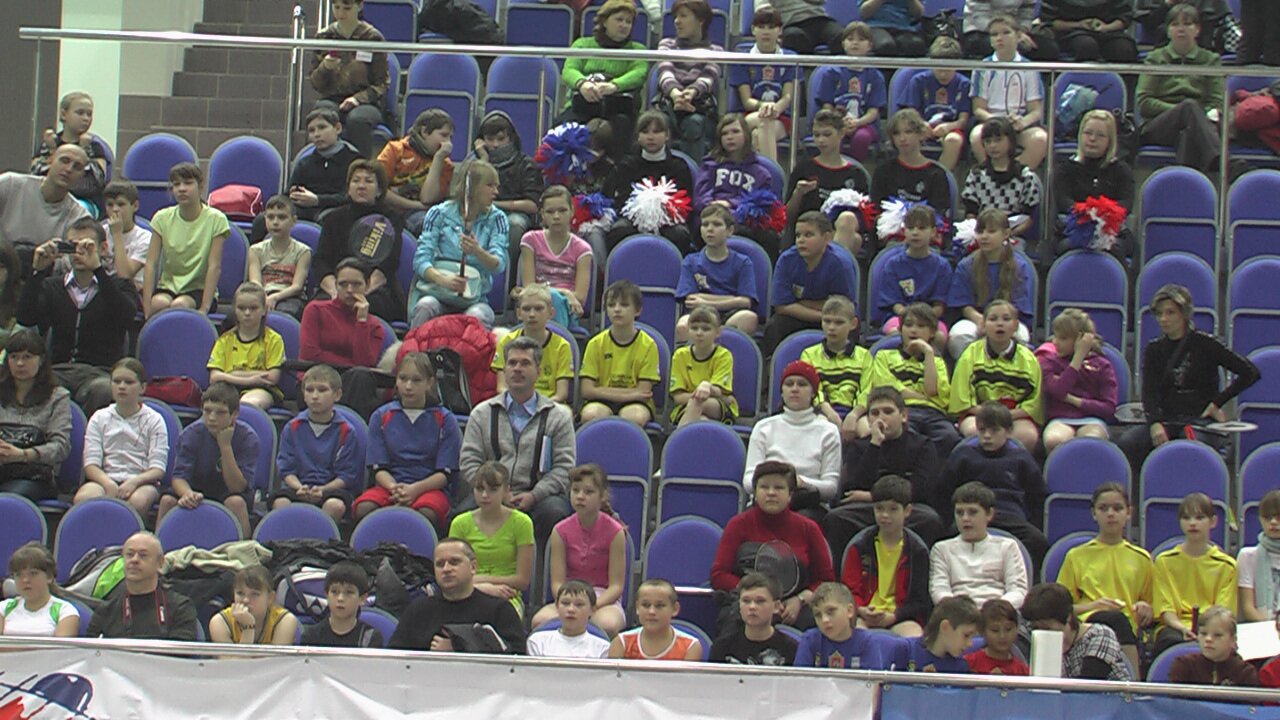
I've attended dozens of badminton tournaments over the years, but nothing compares to the energy of India Open when our women players take the court. The 2023 edition at KD Jadhav Indoor Hall in New Delhi created memories I'll treasure forever - moments where the boundary between spectator and participant dissolved completely in collective emotion.
The Morning Anticipation
Tournament day started at 5:30 AM for me. Living two hours from the venue meant early departure to secure decent seats, but I wasn't alone in this dedication. The metro trains were already filling with fans wearing Indian colors, carrying banners, discussing predicted matchups and potential upsets.
Arriving at KD Jadhav Hall three hours before first match, I found hundreds already queuing. The demographic diversity was striking - elderly aunties who followed badminton since Prakash Padukone's era, young professionals on tournament leave from work, college students bunking classes, families with children waving tri-color flags. This cross-generational passion for the sport created immediate camaraderie among strangers.
The queue itself became a social space. Conversations flowed naturally about player form, tactical predictions, favorite matches from previous years. An uncle behind me had maintained handwritten statistics notebooks since 2016, tracking every Indian player's performance. His dedication made my spreadsheets seem amateur.
The Roar When Sindhu Entered
When PV Sindhu stepped onto court for her first-round match, the volume was physically jarring. Ten thousand voices erupted simultaneously, creating a wall of sound that made the stadium structure vibrate. I've been to cricket matches with larger crowds, but badminton's indoor venues concentrate sound differently, amplifying intensity.
What struck me wasn't just volume but emotion behind it. The cheers carried genuine affection and pride, celebrating not just an athlete but a national icon who represents possibility for millions of young Indian girls. Sindhu's acknowledgment wave to the crowd triggered another deafening roar.
During the match itself, crowd reactions added another dimension to the sport. Every Sindhu winner prompted immediate explosive cheering. Brilliant opponent shots earned grudging appreciative murmurs. Close line calls sparked collective gasps and debate. The crowd became a living organism, breathing with match rhythm.
The Tactical Silence
Interestingly, during critical rallies at crucial scores, the crowd demonstrated remarkable discipline. A palpable hush descended as Sindhu prepared to serve at 19-19, every spectator understanding the moment's gravity. This collective silence felt as powerful as the earlier roars, creating pressure-cooker atmosphere where shuttle impact sounded impossibly loud.
When Sindhu won that critical point with a crosscourt smash, the release was cathartic. Strangers hugged, people jumped from seats, and the noise reached levels that made speech impossible. These emotional peaks and valleys created addictive intensity.
Supporting the Underdogs
One of my favorite India Open moments came during a first-round match between two relatively unknown players - India's qualifier against a higher-seeded opponent. With main stadium hosting marquee matches, this match occurred on an outside court with maybe 200 spectators.
But those 200 were absolutely invested. Every point mattered, every rally received full-throated support. When the Indian player, facing match point down, executed an impossibly delicate net shot to save it, the small crowd's reaction rivaled anything in the main stadium. This intimate setting created different energy - personal rather than monumental, but equally authentic.
I stayed for the entire three-game match, watching this young Indian player fight with everything she had, drawing energy from the small but passionate crowd. Though she ultimately lost, her fighting spirit earned standing ovation. These moments remind me why I love this sport - the human drama, the respect for effort regardless of outcome.
The International Flavor
While Indian players received overwhelming support, the crowd showed appreciation for exceptional badminton regardless of nationality. When Thailand's Ratchanok Intanon executed a sequence of three consecutive perfect drops that defied physics, even the partisan Indian crowd applauded appreciatively.
This balance between national support and sporting appreciation created welcoming atmosphere for international players. I spoke with traveling fans from Malaysia and Indonesia who praised Indian crowds' knowledgeability and fair-mindedness. They felt welcomed rather than hostile, which speaks well for Indian sporting culture.
The cosmopolitan environment extended beyond the courts. Venue concourses became temporary international zones where different languages and cultures mixed freely, united by shared love for badminton. I had fascinating conversations with a Japanese fan about training methodologies and a Danish coach about shuttle technology evolution.
The Women's Game Respect
What particularly impressed me was the respect and enthusiasm shown for women's matches. Unlike some sports where women's events feel like appetizers before men's main courses, women's badminton in India commands equal if not greater attention than men's events.
The crowd size and energy for women's semifinals matched or exceeded men's semifinals. This equality reflects women's badminton's historical success in India - Saina and Sindhu achieved international prominence before male counterparts, making women's badminton the flagship for Indian success in the sport.
Young girls in the crowd watching women champions creates visible inspiration. I noticed countless young female fans wearing player jerseys, carrying handmade posters, discussing technical aspects with surprising sophistication. This generational transmission of passion and aspiration gives me hope for continued Indian badminton growth.
The Betting Contingent
As someone who bets on matches, I was curious about other betting fans' presence. While discussing betting openly remains somewhat taboo, subtle conversations revealed a substantial contingent tracking matches with financial interest alongside sporting passion.
These betting fans brought additional analytical depth to crowd discussions. During breaks, conversations covered not just who might win but by what margin, whether matches would go three games, specific game score predictions. This analytical layer added intellectual dimension to emotional investment.
I met several people who, like me, maintain detailed statistical databases and use analytical approaches to betting. Sharing perspectives and debating match predictions created instant connections. The betting community, while quieter than pure sporting fans, added vibrant analytical subculture to the broader tournament atmosphere.
Food, Merchandise, and Commercial Energy
Tournament organization extended beyond matches to create comprehensive experience. Food courts offered diverse options from local street food to international cuisine, though quality was hit-or-miss and prices predictably inflated.
Merchandise stalls did brisk business selling player jerseys, badminton equipment, and Indian badminton memorabilia. I purchased an official tournament program and a Sindhu jersey, joining countless others in commercial expressions of fandom. The economic ecosystem around the tournament demonstrated badminton's growing commercial viability in India.
Sponsor activations created interactive experiences between matches. Racket companies offered stringing services and equipment testing. Sports brands ran fitness challenges. These activations kept crowds engaged during gaps in play, preventing energy from dissipating between matches.
The Bittersweet Semifinal
The women's semifinal between Sindhu and a Chinese opponent created the tournament's emotional apex for me. The match quality was exceptional - extended rallies, tactical adjustments, momentum swings that had crowds gasping and groaning alternately.
Sindhu won the first game convincingly, prompting massive celebrations. The second game was heartbreakingly close, with Sindhu holding multiple game points before her opponent saved them all and won 24-22. The crowd's devastation was palpable - collective groan that sounded like physical pain.
The third game became torturous. Every point felt like pulling teeth. Sindhu's tired body language worried the crowd, but she kept fighting with remarkable courage. When she ultimately fell short, losing 21-18 in the third, the stadium sat in stunned silence for several seconds before applauding both players.
What moved me was the crowd's response to defeat. Rather than anger or disappointment, the standing ovation reflected appreciation for extraordinary effort and sporting quality. Sindhu's tears as she walked off court mirrored fans' emotions, creating shared moment of graceful defeat that felt as meaningful as victory would have.
Lessons for Future Attendance
The India Open 2023 experience taught me several practical lessons for future tournament attendance. First, invest in multi-day passes rather than single-day tickets - fatigue from traveling daily diminishes the experience. Several fans I met had booked nearby hotels for the tournament week, treating it as badminton vacation.
Second, balance main stadium attendance with outside court exploration. Some of the most memorable matches occurred on outer courts where crowd intimacy created unique atmosphere. The flexibility to move between venues enriches the overall experience beyond just watching marquee matches.
Third, engage with other fans rather than watching in isolation. The community aspect - discussing matches, sharing analysis, debating tactical choices - enhances enjoyment far beyond what solitary attendance provides. These connections often extend beyond tournaments, creating lasting friendships based on shared passion.