Youth Championships: New Talents Emerge
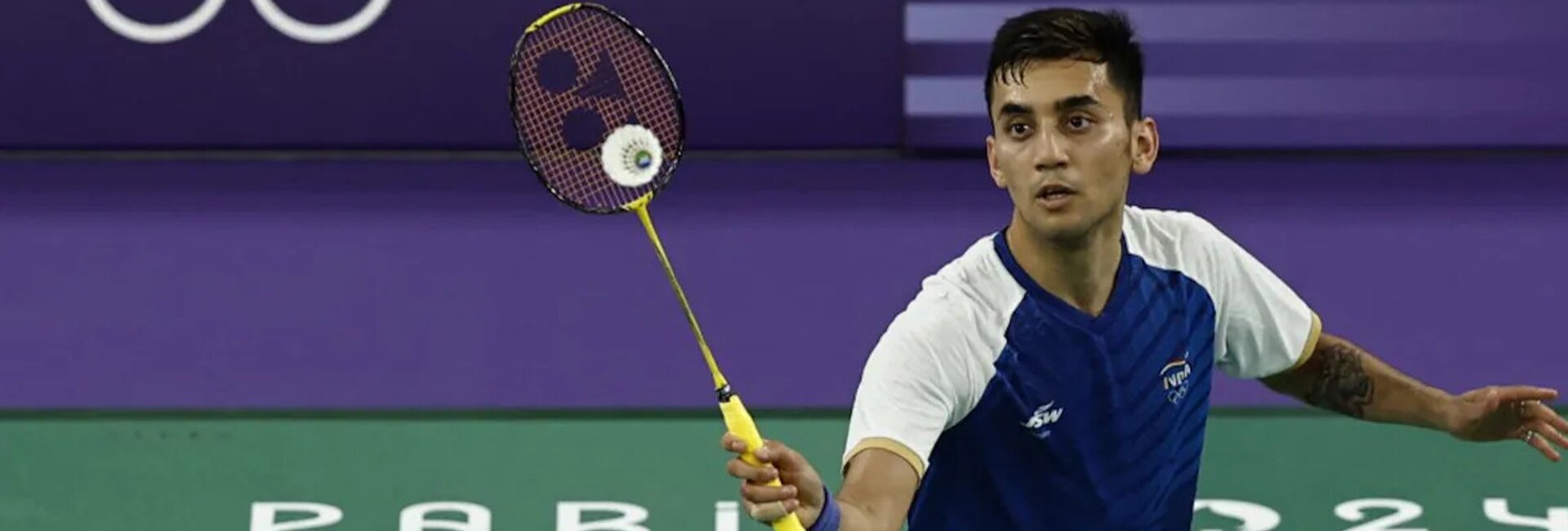
The National Youth Championships might not attract mainstream media attention, but for someone deeply invested in Indian badminton's future, these tournaments are treasure troves of emerging talent. This year's edition revealed several young players who could become household names within a few years. Let me introduce you to the future stars I've been tracking obsessively.
Anupama Upadhyaya: The Next Power Player
At just 17, Anupama Upadhyaya already stands 5'9" with a powerful attacking game reminiscent of a young PV Sindhu. Her smash speed measurements at youth tournaments have reached 315 km/h, exceptional for her age group and suggesting tremendous potential as she continues physical development.
What impressed me most watching her matches was tactical maturity beyond her years. She constructs points intelligently, using her power strategically rather than mindlessly smashing every shuttle. Her shot selection shows coaching quality, suggesting she's working with mentors who understand elite-level tactics.
Her movement needs refinement - she's still growing into her frame and occasionally looks slightly awkward covering court. But the raw speed and explosive power are there. With focused movement training over the next 12-18 months, she could develop into highly competitive senior player by age 19-20.
Tanya Hemanth: Speed and Deception
Tanya Hemanth plays badminton like it's a speed contest, and she's winning. Her court coverage is exceptional, reaching shots that appear unreachable and turning defensive situations into attacking opportunities. At 5'6", she won't rely on power like Anupama, but her speed and deceptive shots create different challenges for opponents.
Her net play is already quite sophisticated. She disguises shots beautifully, making opponents guess wrong repeatedly about whether drops, lifts, or pushes are coming. This deceptive quality typically takes years to develop, so seeing it at age 16 suggests high badminton IQ.
The challenge for Tanya will be adding more power to her game. Current opponents in youth categories struggle with her speed and touch, but senior players with more experience will eventually neutralize pure speed unless it's complemented by offensive firepower. Developing a reliable attacking smash should be her technical focus.
Doubles Pairs: Unnati and Khushi
In girls doubles, the pair of Unnati Hooda and Khushi Gupta dominated the tournament with aggressive, attacking badminton. Their partnership already shows the understanding and communication that usually requires years to develop. They move as a unit, cover court effectively, and create attacking opportunities through coordinated positioning.
Unnati brings powerful rear-court attack while Khushi's reflexes at net are lightning-quick. This role specialization is crucial for doubles success, and they've clearly trained extensively on positional responsibilities. Their tactical understanding exceeds most youth pairs, suggesting excellent coaching input.
The question is whether they'll stay together as they transition to senior competition. Doubles partnerships at youth level often split as players experiment with different partners or focus on singles. If they maintain partnership and continue developing, they could become India's next elite women's doubles pair.
Technical Patterns Across Youth Players
Watching multiple matches revealed interesting technical patterns in India's youth development. The coaching appears to emphasize aggressive, attacking badminton from early ages. Most young players show willingness to attack and take risks rather than playing purely defensive games.
This attacking philosophy aligns with modern badminton trends and India's recent senior success. The Gopichand Academy influence is clearly visible - even players not training there full-time seem influenced by the aggressive tactical philosophy that has characterized Indian badminton's recent emergence.
Technical execution quality has improved noticeably compared to youth tournaments five years ago. Stroke mechanics look cleaner, movement patterns more efficient, and tactical understanding more sophisticated. This suggests improving coaching quality and training infrastructure across India's badminton development pyramid.
Gaps Compared to International Youth Standards
While impressed by India's youth talent, honest assessment requires acknowledging gaps compared to elite Asian youth programs. Chinese and Japanese youth players often show superior consistency and error-management that comes from extensive match experience against quality opposition.
Indian youth players sometimes display brilliant winner-making ability but intersperse it with unforced errors that top Asian youth players avoid. This error management discipline reflects training culture differences - Asian programs often emphasize perfect execution while Indian training sometimes prioritizes aggressive intent.
The competition frequency gap also shows. Top Asian youth players compete almost weekly in strong tournaments, accumulating match experience faster than Indian players who have fewer high-quality competitive opportunities domestically. Increasing tournament frequency for youth players could address this development gap.
Development Pathways and Support
The promising news is that identified youth talent now has clearer development pathways than previous generations. Academies like Gopichand, Padukone, and others actively recruit promising youth players, providing professional training environments that accelerate development.
Government support through schemes like Khelo India provides financial assistance and competition opportunities for talented youth. This support removes economic barriers that previously prevented talented but economically disadvantaged players from accessing elite training.
Corporate sponsorship interest in badminton has expanded to youth levels, with companies identifying promising talents early and providing long-term support. This early sponsorship allows young players to focus entirely on development without economic pressures forcing premature professionalization.
The Challenge of Senior Transition
Youth success doesn't guarantee senior success - this transition represents the crucial development phase where potential either materializes or stalls. The jump from youth to senior competition involves facing physically mature opponents with years of experience and tactical sophistication.
The players I'm most optimistic about are those showing not just physical talent but tactical intelligence and mental toughness. Raw athleticism can dominate youth categories but becomes insufficient at senior level without game understanding and psychological resilience.
The next 2-3 years will determine which of these youth prospects successfully transitions to senior competitiveness. Proper management of this transition - appropriate tournament selection, continued technical development, mental conditioning - will separate the successful transitions from the disappointments.
Personal Excitement for the Future
As someone who follows every level of Indian badminton obsessively, these youth championships give me tremendous optimism about the future. The talent pool is clearly deepening, coaching quality is improving, and infrastructure is expanding. The conditions for sustained Indian badminton success are strengthening.
I've started tracking these youth players as carefully as I track senior players, maintaining performance databases and tactical notes. In 3-5 years, when some of these names start appearing in senior tournament draws and my friends ask "who is this player?", I'll be ready with complete background analysis and development trajectory data.
The pleasure of watching players develop from youth through to senior elite level creates unique fan experience. Following Sindhu's entire career from junior to Olympic medalist taught me how rewarding this longitudinal engagement with player development can be. I'm hoping to repeat that experience with several of these emerging talents.