Asian Championships 2024: Indian Women's Performance Review
The Asian Championships represent one of badminton's most challenging tournaments. The concentration of Asian badminton powers - China, Japan, Korea, Indonesia, Thailand - makes every match brutally competitive. Reviewing how Indian women performed provides crucial insights into their current competitive level and development trajectory. Let me analyze each key performance and what they reveal.
Sindhu's Quarterfinal Run
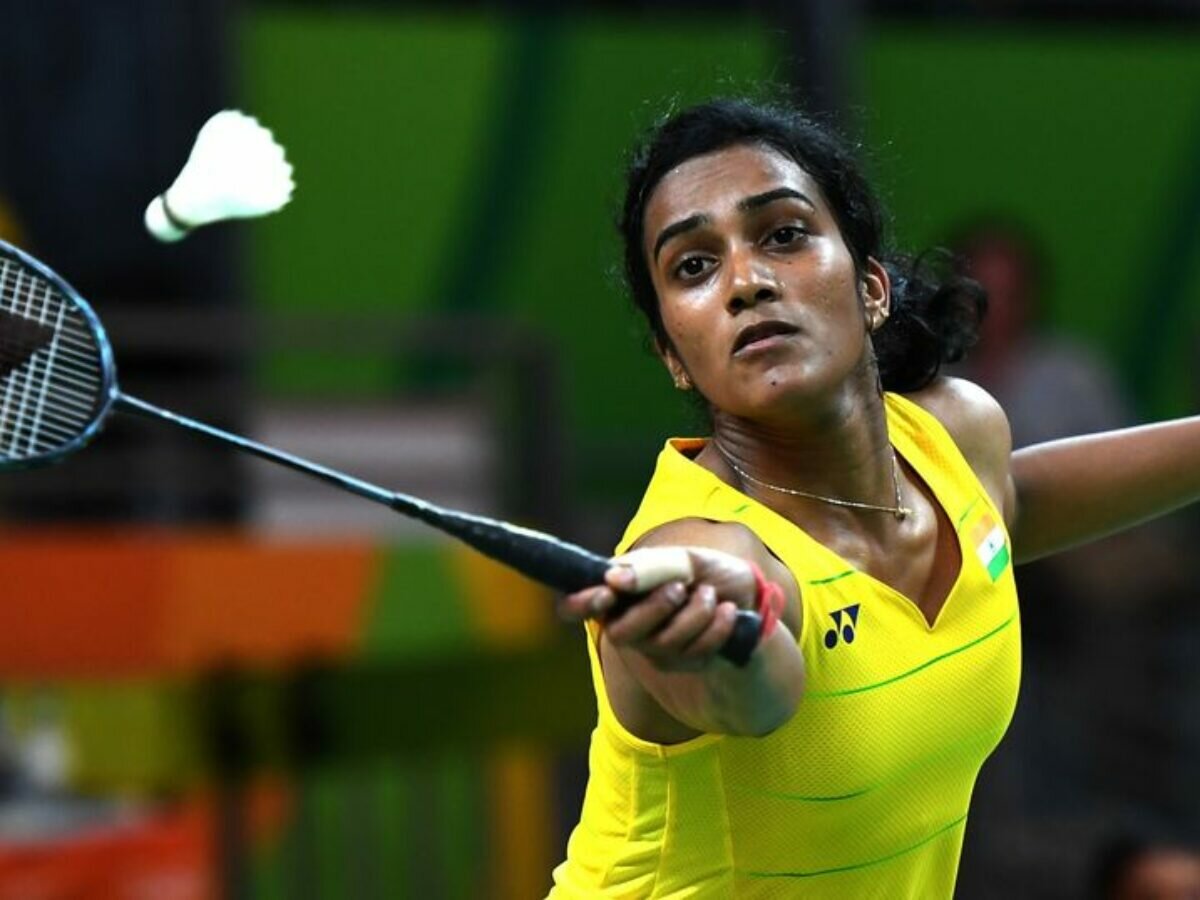
PV Sindhu reached the quarterfinals before falling to Japan's Akane Yamaguchi in a tight three-game battle. While not the title run we hoped for, the performance showed positive signs. Her wins in earlier rounds demonstrated improved consistency, and the quarterfinal itself was competitive until the final stages.
The match statistics revealed interesting patterns. Sindhu won 62% of rallies exceeding 15 shots, indicating her endurance and defensive capabilities remain strong. However, she won only 41% of rallies under 8 shots, suggesting she's still working on quick-point efficiency that characterizes the very best players.
Against Yamaguchi specifically, Sindhu has historically struggled with the Japanese player's defensive consistency and counter-attacking ability. This match followed that pattern - Sindhu generated plenty of attacking opportunities but couldn't finish rallies as efficiently as needed. The tactical adjustments required to crack Yamaguchi's defense remain a work in progress.
From a broader perspective, reaching Asian Championships quarterfinals is respectable achievement given competition depth. This result maintains Sindhu's status as consistent top-10 performer while highlighting the work needed to challenge for major titles again.
Malvika's Round of 16 Breakthrough
Malvika Bansod's progression to Round of 16 represented significant achievement for a player still establishing herself at elite level. Her opening round victory over a Korean opponent ranked in the top 25 demonstrated she's no longer intimidated by higher-ranked Asians.
The match that knocked her out - against Thailand's Ratchanok Intanon - provided valuable learning experience despite the loss. Malvika competed well in the first game before Ratchanok's experience and tactical variety proved decisive. The 21-17, 21-15 score line wasn't embarrassing; it reflected realistic gap between emerging player and established star.
What encouraged me most was Malvika's aggressive mindset throughout. She didn't play defensively or tentatively. She attacked opportunities and trusted her game. That fearless approach is crucial for development - playing not to lose against top opponents guarantees losses. Playing to win sometimes leads to defeats but also creates upset possibilities.
The experience of competing in multiple high-pressure matches against elite Asian opponents will accelerate her development more than domestic tournament success. These are the matches where players learn whether they belong at the highest level.
Aakarshi's First-Round Exit
Aakarshi Kashyap's first-round loss was disappointing, particularly given her solid recent form coming into the tournament. She faced a Chinese opponent and never found rhythm, losing 21-13, 21-16 in a match that felt more one-sided than the scores suggest.
The tactical matchup proved difficult. The Chinese player's defensive consistency frustrated Aakarshi's attacking game. Unable to finish rallies despite creating attacking positions, Aakarshi's error rate increased as frustration mounted. This mental aspect - managing frustration when game plans aren't working - remains a development area.
First-round exits happen to all players occasionally. What matters is learning from them. Aakarshi will need to develop better tactical alternatives when initial approaches fail. The best players have Plan B and Plan C; developing that tactical flexibility requires time and experience.
Doubles Teams Performance
Treesa Jolly and Gayatri Gopichand reached the Round of 16 before losing to an Indonesian pair. Their performance showed continued development, winning their opening match convincingly before facing stiffer challenge in the second round.
The Indonesian pair that eliminated them employed effective tactics targeting Treesa's movement in the forecourt, forcing her into uncomfortable defensive positions. This exploitation of relative weakness demonstrates the tactical sophistication of top Asian doubles pairs. Every minor weakness gets identified and attacked relentlessly.
Other Indian doubles pairs exited earlier, highlighting the depth challenge India still faces in women's doubles. While Treesa-Gayatri are competitive, behind them India lacks pairs threatening at major championship level. Building doubles depth remains ongoing work for Indian badminton development.
Tactical Lessons Learned
The tournament exposed certain tactical patterns that Indian players need to address. Against elite Asian defenders, Indian players often struggle with patience and point construction. The tendency to force winners rather than building them through tactical progression yields errors at crucial moments.
Defensive consistency also emerged as differentiator. Top Asian players make remarkably few unforced errors, forcing opponents to earn every point. Indian players sometimes match this standard but not consistently throughout entire matches. The mental discipline to maintain perfect execution when fatigued separates elite from very good.
Service and return patterns showed room for improvement. Asian players vary serves masterfully, preventing opponents from settling into rhythm. Indian players sometimes rely on safer serve patterns that allow opponents to dictate early rally momentum. Developing more deceptive, varied serves would improve early-rally positioning.
Physical and Mental Factors
The tournament's compressed schedule - multiple matches over consecutive days - tests physical conditioning and recovery capacity. Indian players generally handled the physical demands well, suggesting conditioning programs are working effectively. No player appeared to lose purely due to physical fatigue.
Mental aspects proved more challenging. The pressure of major championship, combined with tough draws and hostile crowds for some matches, created mental stress that affected performance. Building mental resilience to perform optimally under these conditions requires continued exposure to high-pressure environments.
The experience itself provides value. Each major championship teaches lessons about competition intensity, tactical sophistication, and mental requirements that can't be learned elsewhere. While results might disappoint, the developmental benefit of competing against the world's best is immeasurable.
Comparative Analysis with Previous Years
Comparing this year's performance to recent Asian Championships shows gradual progress. India had more players reaching second week of the tournament, indicating improving depth. While no breakthrough results occurred, the baseline competitive level has risen.
Sindhu's quarterfinal match compared to her peak years when she regularly reached finals. The gap isn't insurmountable but reflects both her current form and increased global competition depth. Younger players emerging worldwide have raised competitive standards across all major tournaments.
The most encouraging sign is the number of Indian players competing without being overmatched. Five years ago, only Sindhu and Saina could compete credibly at Asian Championships. Now several Indian players win matches and compete respectably, suggesting systematic improvement in India's player development pipeline.
Looking Forward
The Asian Championships performance highlighted both progress and remaining work. Indian women's badminton is competitive at continental level but still chasing true elite status where championship victories become regular rather than occasional.
The tactical and mental development areas identified provide clear focus for training. Physical capabilities appear adequate; the differentiators are tactical sophistication and mental resilience under extreme pressure. These are coachable, developable skills given proper focus and experience.
Continued participation in these high-level tournaments accelerates development. Each tournament provides data on competitive reality, identifying specific improvement areas. The willingness to compete against the best and learn from defeats is crucial for eventual breakthrough achievements.